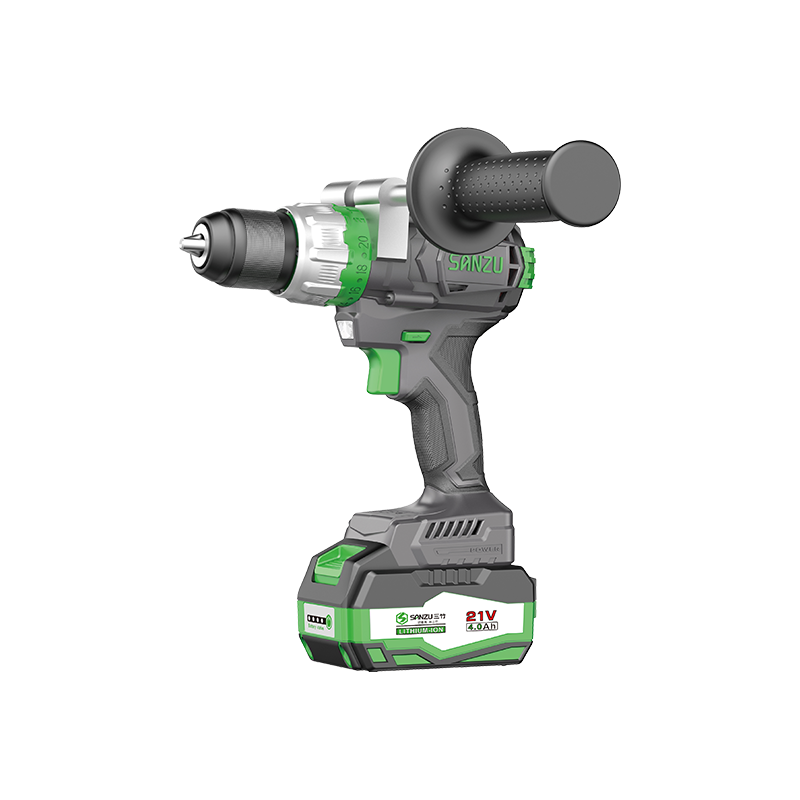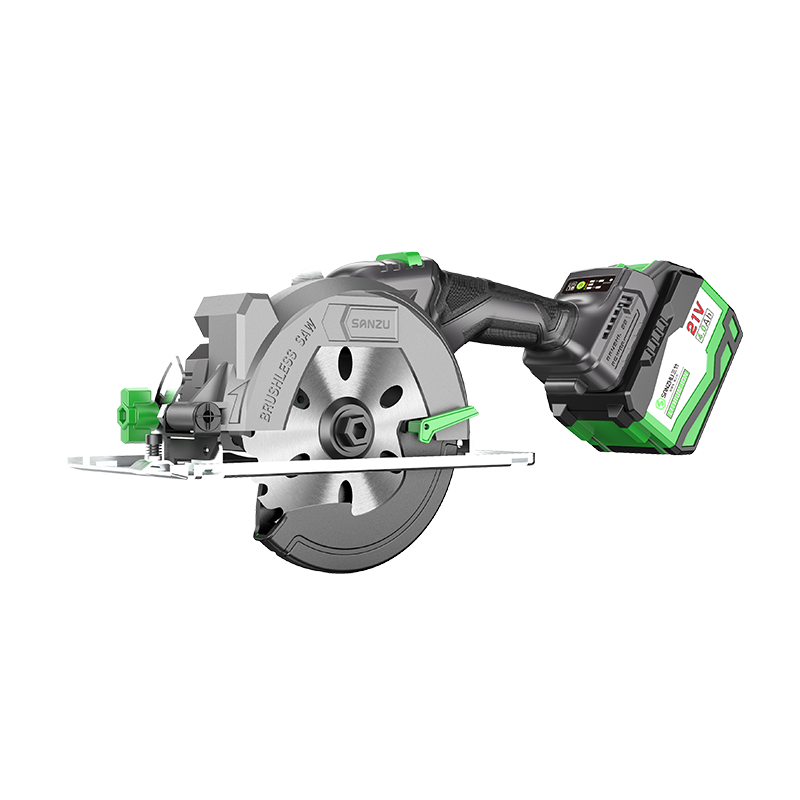
In modern interior decoration, woodworking, and on-site construction, the requirements for portability and efficiency of cutting tools have reached new heights. Traditional corded tools are limited by power outlets and cable lengths, exposing numerous inconveniences in multi-angle, high-altitude, and mobile operations. With breakthroughs in lithium-ion technology, the cordless circular saw has become the core equipment for achieving high-precision cutting. This article deeply analyzes how to select appropriate tools for different processing needs from three dimensions: core power systems, structural design, and key parameters, solving efficiency pain points in actual operations.
Power Systems and Core Advantages
The reason why modern industrial-grade cordless saw equipment can provide torque comparable to corded devices is mainly due to the combination of brushless motors and high-energy-density lithium-ion battery packs.
Brushless Motor Technology: Traditional corded or early electric motors rely on carbon brushes for transmission, which not only causes large friction loss but also easily generates electric sparks and high heat. The new brushless motor controls the current through an electronic commutator, reducing internal wear and increasing energy conversion efficiency by more than 30%. This means that when continuously cutting high-density boards, the motor can maintain a stable speed and is not easily burned due to overload.
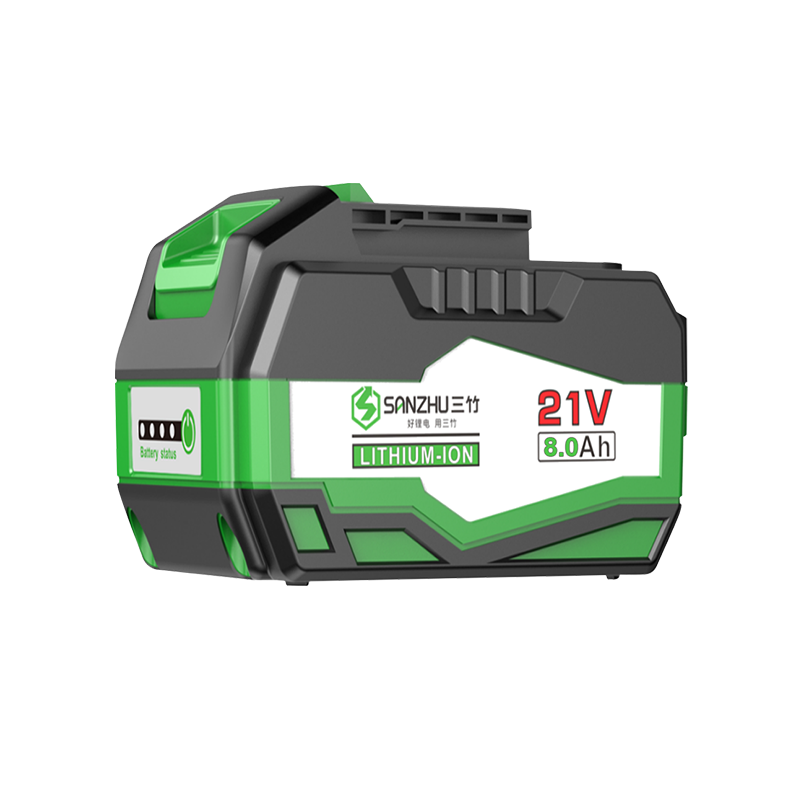
High-Voltage Platform Power Supply: As a standard battery circular saw, its core power source comes from a highly optimized lithium battery pack. Using battery packs with multi-channel series-parallel connections and a voltage platform of 20V or even higher can output high-density current for the equipment, ensuring that the main shaft has a strong cutting capacity when facing hardwood or multi-layer composite boards.
Lightweight Design and Application in Specific Scenarios
In confined working spaces, ceiling installation work, or sporadic outdoor trimming, heavy-duty equipment with high power often increases operator fatigue. Therefore, the compact circular saw and cordless mini saw came into being.
This type of compact equipment optimizes the body structure to the extreme through engineering. The compact circular saw usually adopts an asymmetrical design that can be held with one hand, and the center of gravity is closer to the handle, which not only improves operation flexibility but also allows the operator to clearly see the marked cutting path.
For cutting smaller specifications of materials, such as PVC pipes, thin wood boards, gypsum boards, and light steel keels, the cordless mini saw demonstrates irreplaceable convenience. The overall lightweight structure allows operators to minimize muscle fatigue during continuous overhead work or or high-angle construction, greatly improving the safety factor and work efficiency of on-site construction.
Core Parameter Comparison and Technical Specifications
In order to allow engineering and professional purchasing personnel to evaluate equipment performance more intuitively, we have standardized the parameters of two types of frequently used battery powered saw equipment. The following data are derived based on industrial standard tests:
| Technical Specifications | Standard cordless skill saw (Large Cutting Depth) | compact circular saw (One-Handed Operation) |
| Voltage | 20V / 24V | 12V / 20V |
| No-load Speed | 4,500 RPM - 5,500 RPM | 3,400 RPM - 4,500 RPM |
| Blade Size | 6-1/2 inches to 7-1/4 inches | 3-3/8 inches to 4-1/2 inches |
| Max Depth at 90° | 55 mm - 65 mm | 25 mm - 41 mm |
| Max Depth at 45° | 41 mm - 45 mm | 16 mm - 28 mm |
| Net Weight (with battery) | 3.5 kg - 4.8 kg | 1.5 kg - 2.2 kg |
| Safety Brake | Electronic Brake (Brake Time < 2s) | Electronic Brake + Mechanical Guard |
Solutions to Process Difficulties and Operational Safety
Whether using a standard cordless skill saw or a lightweight battery powered saw, in actual operation, users often face problems such as tearing of the cutting edge, edge chipping, and deviation from straightness. To solve these pain points, attention should be paid to the following assembly and operation details:
Select blade tooth count based on material: When ripping wood along the grain, a saw blade with around 24 teeth (24T) should be selected to ensure smooth chip evacuation; if performing cross-cutting or cutting double-sided paint-free boards, it must be replaced with a precision cutting blade with more than 60 teeth (60T) to prevent edge chipping.
Adjust base tilt and depth reasonably: When performing bevel cutting, use the scale locking device of the base to adjust to the required angle (usually supporting 0° - 50° adjustment). When adjusting the cutting depth, it is recommended that the length of the saw blade exposed at the bottom of the material is kept at 3mm - 5mm (about the height of one saw tooth), so that the best cutting surface quality can be obtained and friction resistance can be reduced.
Make full use of guide assistance: In order to ensure the straightness of long-distance cutting, it is recommended to use it with an aluminum alloy guide rail or the parallel guide attached to the machine. When starting the cordless circular saw, let the motor reach the highest no-load speed first, and then push it into the material smoothly. Do not start it directly when the saw blade is in contact with the material, so as to avoid kickback danger.